Cabinet vs. Hybrid

Mass and Stability

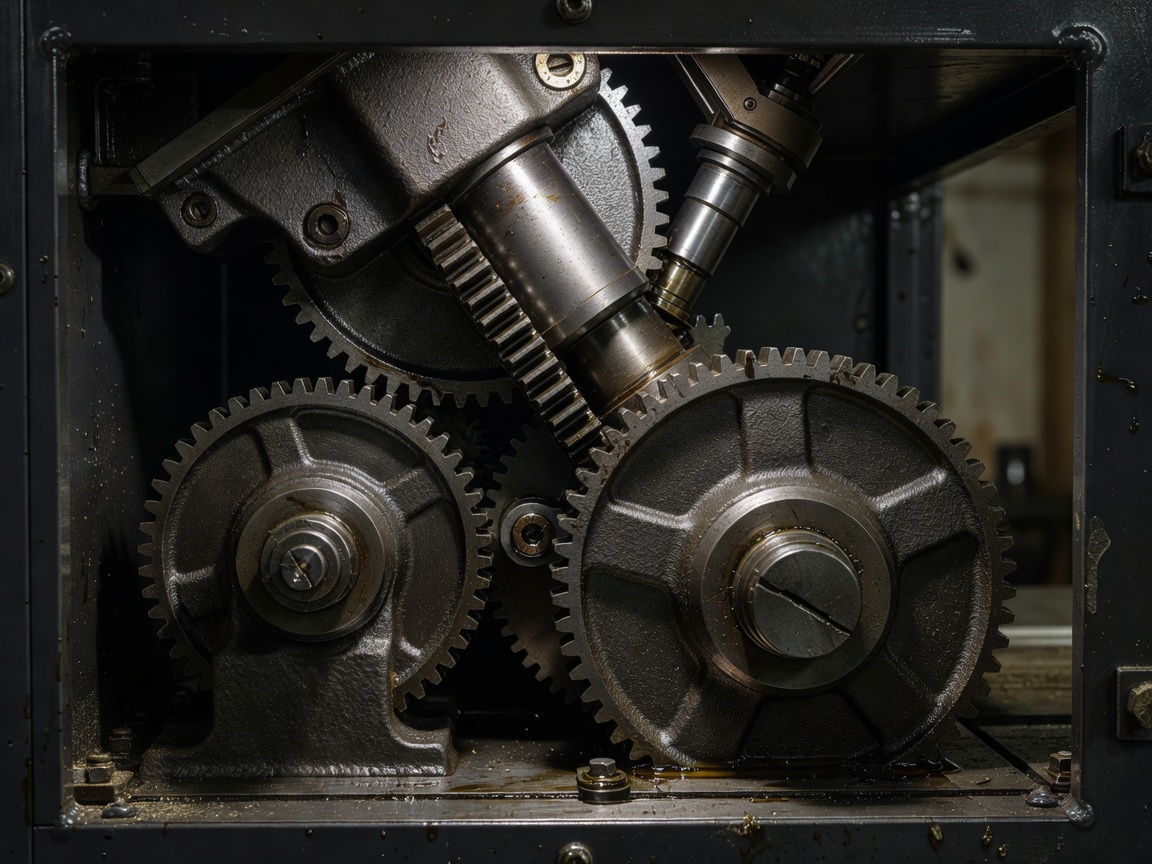
For high-volume production, the true cabinet saw is unrivaled. Featuring heavy cast-iron trunnions mounted directly to the cabinet base, these machines absorb vibration and handle thick hardwood stock without motor bog-down. Hybrid saws offer a compromise, utilizing cabinet-style enclosures with trunnions mounted to the table bottom, suitable for intermediate professional environments where 3-phase power is unavailable.

Detail of heavy cast iron trunnion gears inside a cabinet saw

Fences & Rails

The Geometry of Parallelism

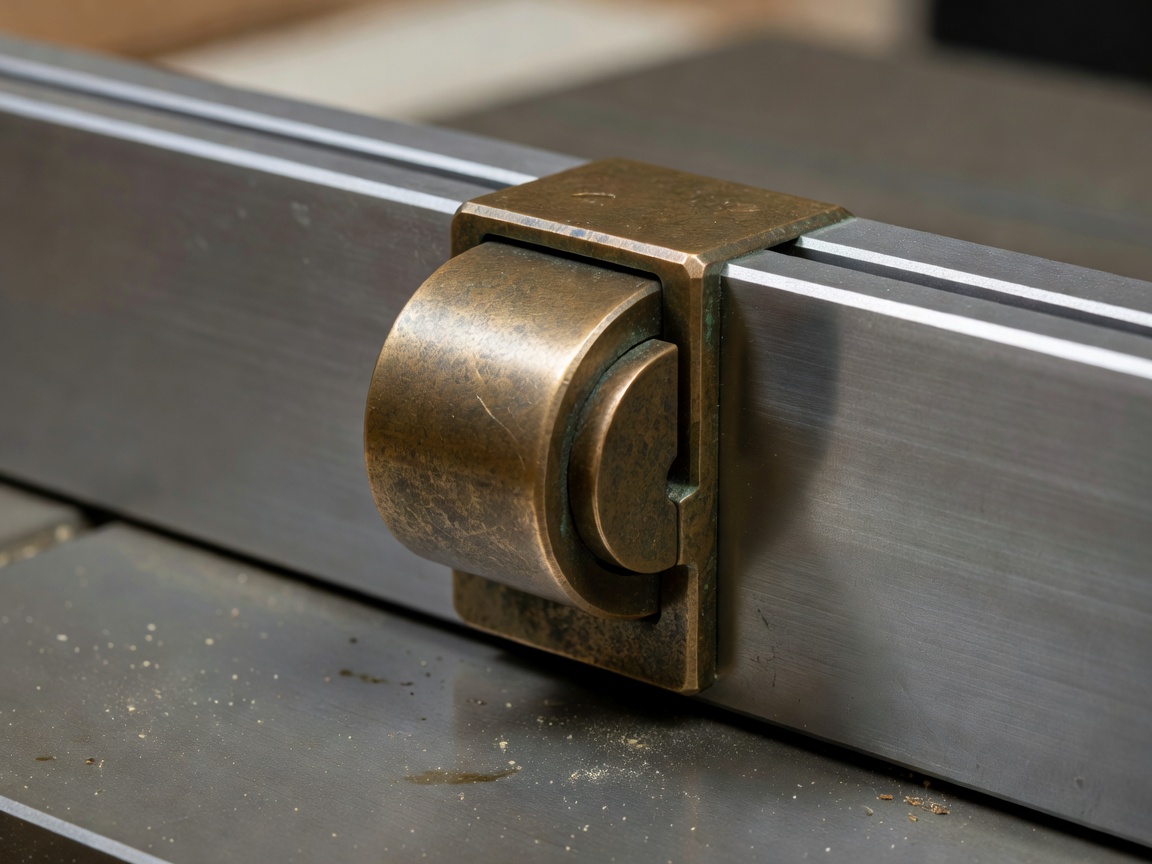
A saw is only as accurate as its fence. The Biesemeyer T-square style fence remains the industry standard, utilizing a heavy steel tube rail and a cam-locking mechanism that guarantees parallelism to the blade. Deflection during a rip cut leads to burning and kickback; robust fence rails eliminate this variable.

Close-up of a bronze cam lock on a steel T-square table saw fence

Safety Innovations

Riving Knives

Unlike traditional splitters, a true riving knife rises, falls, and tilts with the blade. It maintains a constant distance from the rear teeth, preventing the kerf from closing and virtually eliminating the primary cause of rotational kickback.

Capacitive Sensing

Modern industrial saws employ microprocessors that monitor a small electrical signal applied to the blade. Upon contact with conductive material (flesh), an aluminum brake is fired into the blade, stopping it in milliseconds and dropping it below the table surface.

Blade Guards

Over-arm dust collection guards provide a physical barrier while simultaneously capturing particulate matter thrown from the top of the blade, vastly improving upon traditional table-mounted plastic shrouds.