Bed Length Dynamics

The Geometry of Flattening

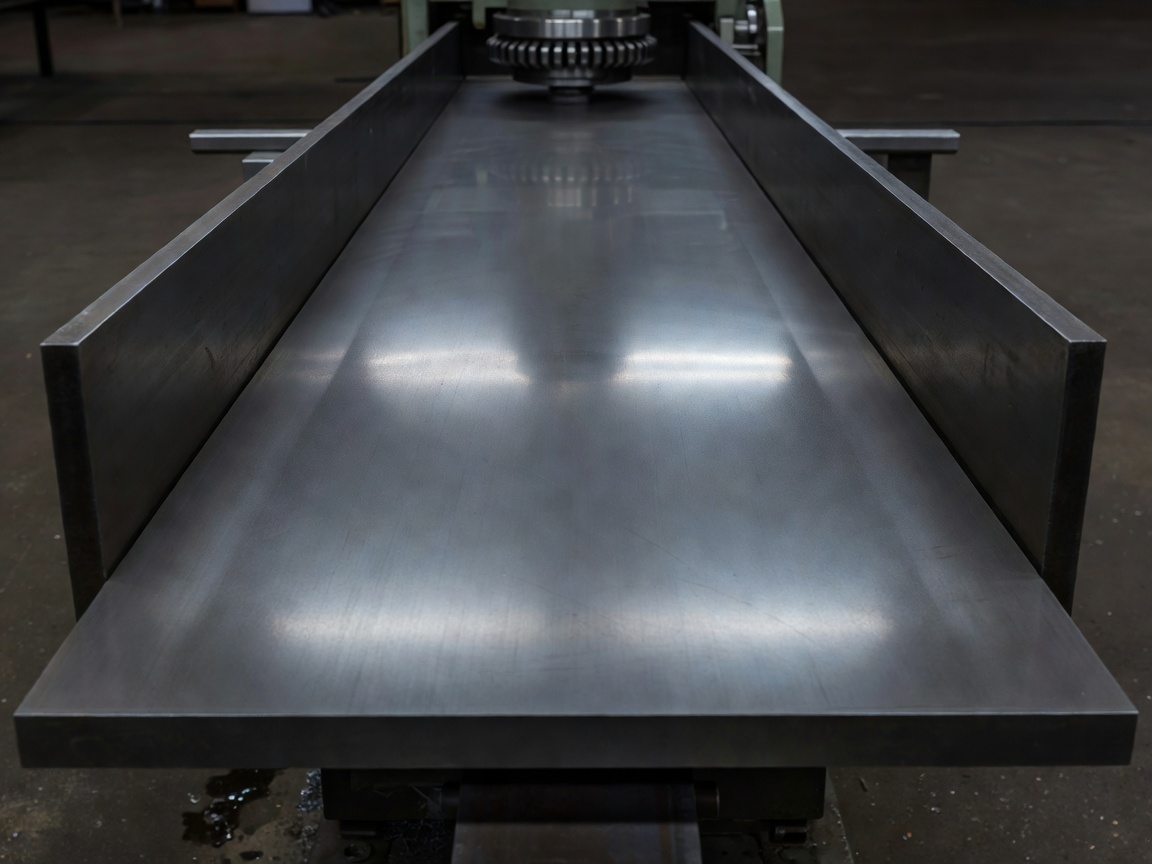
The primary function of a jointer is to create a perfectly flat face. The physics dictate that you can only reliably flatten a board up to twice the length of the jointer's infeed table. Industrial 8-inch and 12-inch jointers feature massive cast-iron beds stretching 70 to 84 inches, allowing for the precise milling of long architectural millwork and large furniture components.

Long view down the precision-ground cast iron bed of an industrial jointer

Helical vs. Straight Knife

Evolution of the Cutterhead

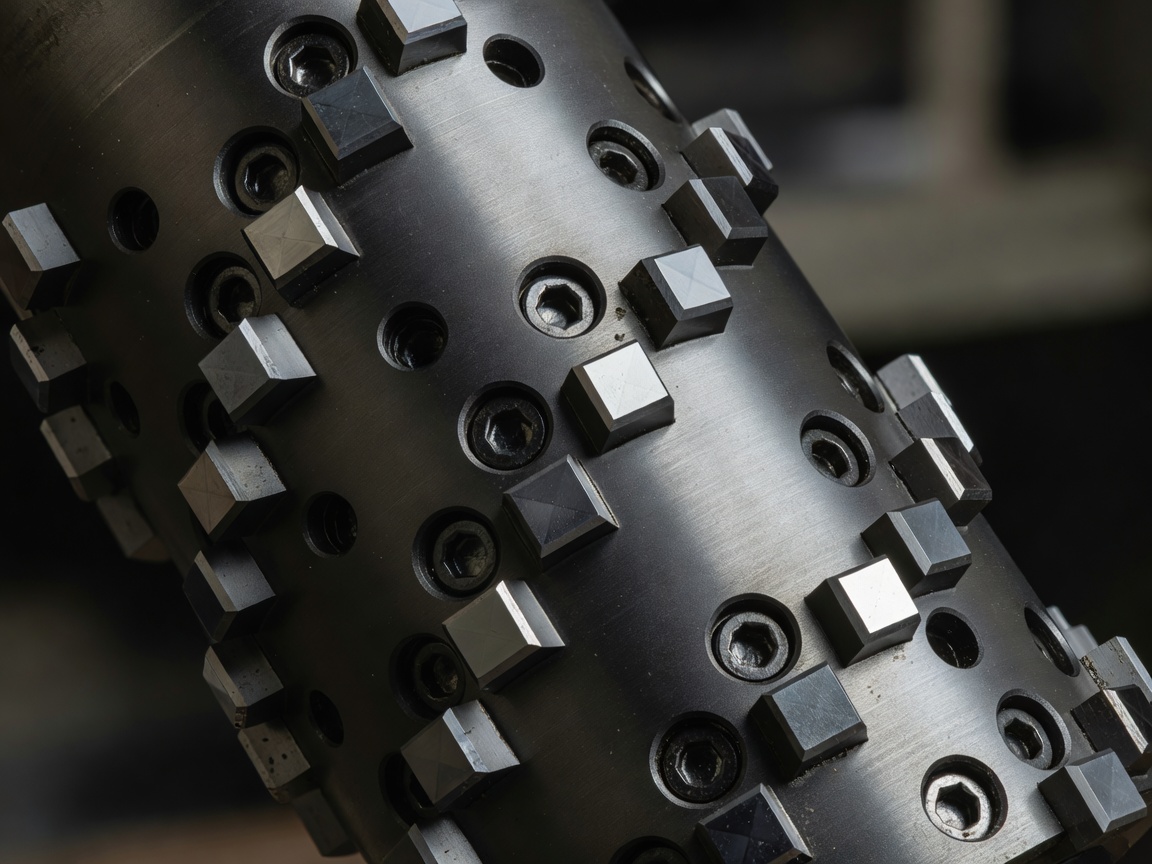
Traditional straight high-speed steel (HSS) knives strike the wood parallel to the grain, which can cause severe tear-out in figured woods like bird's-eye maple or curly cherry. Helical cutterheads utilize dozens of small, square carbide inserts arranged in a spiral pattern. This creates a true shear cut, vastly reducing tear-out, operating at significantly lower decibel levels, and extending tool life exponentially.

Macro view of square carbide inserts bolted into a spiral cutterhead

Jointer / Planer Combo Machines

The European Approach

While dedicated machines are preferred in expansive industrial shops, heavy-duty European combination machines offer a compelling alternative. By sharing a massive cutterhead and motor, these machines allow for a 12-inch or 16-inch jointer capacity in a smaller footprint. The transition between modes requires flipping the massive cast-iron tables, a process that modern engineering has made seamless and accurate down to the thousandth of an inch.